
The Indian services sector growth touched an 11 month high in July, supported by a pickup in new exports orders and sharp rise in overall sales, a monthly survey said on Tuesday. The seasonally adjusted HSBC India Services PMI Business Activity Index was at 60.5 in July, little-changed from 60.4 in June, and the rate of expansion was the best seen since August 2024.

The US Fed interest rate decision, ongoing quarterly earnings, macroeconomic data and FII trading activity are the major triggers that will drive stock markets this week, analysts said. Investors would also track global market trends and the movement in global oil prices for further cues. "This week, the focus will shift to global cues, particularly the US markets," Santosh Meena, Head of Research, Swastika Investmart Ltd said.
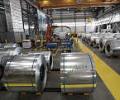
Recent reform measures announced by the government expected to boost the sector.

RBI's interest rate decision, quarterly earnings and global cues would be the major driving factors for equity markets this week, analysts said adding that the impact of the Union Budget could linger on this week. Trading activity of foreign investors will also be a key driver for the markets, experts noted. "US and India's manufacturing PMI for January to be released on Monday, will be the key macro data to watch out for.

Gold prices are expected to witness further consolidation in the coming week as investors brace for a slew of events, ranging from central bank meetings, including the US Federal Open Market Committee (FOMC) meeting's outcome, to global trade negotiations, analysts said.

Manufacturing activities in India advanced further and touched a 31-month high in May supported by stronger increase in new orders and favourable market conditions, which in turn generated more employment opportunities, a monthly survey said on Thursday. The seasonally adjusted S&P Global India Manufacturing Purchasing Managers' Index (PMI) rose from 57.2 in April to 58.7 in May, indicating the strongest improvement in the health of the sector since October 2020. The May PMI data pointed to an improvement in overall operating conditions for the 23rd straight month.
Manufacturing activities in India accelerated further and touched a four-month high in April, boosted by robust new business growth, mild price pressures, better international sales, and improving supply-chain conditions, a monthly survey said on Monday. The seasonally adjusted S&P Global India Manufacturing Purchasing Managers' Index (PMI) increased from 56.4 in March to 57.2 in April, indicating the fastest improvement in the health of the sector so far this year. The March PMI data pointed to an improvement in overall operating conditions for the 22nd straight month.

The HSBC Emerging Markets Index, a monthly indicator derived from Purchasing Managers' Index surveys, inched up to 50.6 in May from 50.4 in April, indicating weak output growth across global emerging markets.

The US Federal Reserve's interest rate decision, global cues, macroeconomic data announcements and the ongoing quarterly earnings are the major triggers that will dictate trends in stock markets this week, analysts said. Besides, the trading activity of foreign investors and the movement of global oil benchmark Brent crude will also be tracked. "All eyes are on the outcome of the US Federal Reserve meeting scheduled for November 1, particularly due to the multi-year high levels of the US bond yields.

India's manufacturing sector activity moderated in January amid slower increase in total sales, and headcounts were broadly unchanged amid sufficient staff numbers to cope with current requirements, according to a monthly survey. The seasonally adjusted S&P Global India Manufacturing Purchasing Managers' Index (PMI) fell from December's recent high of 57.8 to 55.4 in January, as factory orders and production rose at sharp, albeit slower, rate. The January PMI data pointed to an improvement in overall operating conditions for the 19th straight month.

India's services sector activity expanded at the slowest pace in over two years in January amid softer increases in sales and output, a monthly survey said on Wednesday. The seasonally adjusted HSBC India Services PMI Business Activity Index fell from 59.3 in December to 56.5 in January -- its lowest level since November. In the Purchasing Managers' Index (PMI) parlance, a print above 50 means expansion, while a score below 50 denotes contraction.

India's services sector activity witnessed a sharp uptick in February boosted by improving domestic and international demand, which resulted in a quicker expansion in output and a substantial increase in employment, a monthly survey said on Wednesday. The seasonally adjusted HSBC India Services PMI Business Activity Index rose from January's 26-month low of 56.5 to 59.0 in February, indicating a sharp rate of expansion.

The HSBC India Manufacturing Purchasing Managers' Index for the manufacturing industry climbed from 49.6 in October to 51.3 in November on the back of a rebound in new orders and output.

Data for the four largest emerging economies showed contrasting activity trends in November. China registered growth for the seventh month running, while India posted the fastest growth since June.

Geopolitical developments between India and Pakistan, quarterly earnings and macro data will be the key drivers of stock markets in the holiday-shortened week, say analysts.

Bajaj Finance, IndusInd Bank, State Bank of India, Maruti, Tata Motors, ITC, Tata Steel and Reliance Industries were also among the gainers. Nestle, NTPC, Kotak Mahindra Bank, Power Grid and Titan were among the laggards.
India's manufacturing sector growth steadied in May, with new orders and production increasing at similar rates to those registered in the previous month, while demand showed signs of resilience and improved further in spite of another uptick in selling prices, a monthly survey said on Wednesday. The seasonally adjusted S&P Global India Manufacturing Purchasing Managers' Index (PMI) stood at 54.6 in May, little changed from 54.7 in April, pointing to a sustained recovery across the sector. The May PMI data pointed to an improvement in overall operating conditions for the eleventh straight month.

From the Sensex firms, Tech Mahindra, Tata Steel, Tata Motors, Titan, HDFC Bank, IndusInd Bank, Infosys and Kotak Mahindra Bank were among the biggest laggards. On the other hand, Adani Ports, Mahindra & Mahindra, Power Grid, Eternal and Hindustan Unilever were among the gainers.

Equity markets this week would keenly track the upcoming GST Council meeting, macroeconomic data announcements and trading activity of foreign investors for further movement, analysts said. Moreover, developments related to tariff negotiations, global market trends and auto sales data would also drive investors' sentiment.

India's services PMI recovered from its ten-month low in September to reach 58.5 in October supported by strong expansions in output and new business, which in turn boosted job creation, a monthly survey said on Wednesday. The seasonally adjusted HSBC India Services Business Activity Index increased from 57.7 in September to 58.5 in October, as robust sales pipelines and strong demand conditions supported the upturn in business activity. In the Purchasing Managers' Index (PMI) parlance, a print above 50 means expansion, while a score below 50 denotes contraction.

The Nikkei India Manufacturing PMI dipped from 50.3 in November to 49.1 in December.

India's manufacturing sector activities moderated in March with companies reporting softer expansions in new orders and production as inflation concerns dampened business confidence, a monthly survey said on Monday. The seasonally-adjusted S&P Global India Manufacturing Purchasing Managers' Index (PMI) was at 54.0 in March, down from 54.9 in February, highlighting weakest rate of growth in terms of production and sales since September 2021. The March PMI data pointed to an improvement in overall operating conditions for the ninth straight month.

Manufacturing activities in India touched a three-month high in March boosted by faster expansions in new orders and output amid demand resilience and easing of cost pressures, according to a monthly survey. The seasonally adjusted S&P Global India Manufacturing Purchasing Managers' Index (PMI) rose from 55.3 in February to 56.4 in March, signalling the strongest improvement in operating conditions in 2023 so far. The March PMI data pointed to an improvement in overall operating conditions for the 21st straight month.
India's manufacturing sector activities gained further strength in November, and witnessed the strongest increase in production and sales since February on improving market conditions, a monthly survey said on Wednesday. The seasonally adjusted IHS Markit India Manufacturing Purchasing Managers' Index (PMI), increased from 55.9 in October to 57.6 in November, signalling the strongest improvement in the health of the sector in ten months. Moreover, the headline figure was well above its long-run average of 53.6.

The index has posted below the 50 mark, which marks contraction, for the third consecutive month.

From the 30 Sensex firms, IndusInd Bank, Asian Paints, Hindustan Unilever, Tata Motors, Tata Steel, Titan, Reliance Industries and NTPC were among the major laggards. Tech Mahindra, Mahindra & Mahindra, Kotak Mahindra Bank, Infosys, HCL Technologies and State Bank of India were among the major gainers.
The last batch of quarterly earnings, global trends and trading activity of foreign investors will guide the equity market movement in a holiday-shortened week ahead, analysts said. Volatility may continue amid investors' cautious approach in the election season. Markets will remain closed on Monday due to the fifth phase of the Lok Sabha elections in Mumbai.

India's manufacturing sector activities gained further strength in October as companies scaled up production and stepped up input purchasing in anticipation of further improvements in demand, a monthly survey said on Monday. Robust gains in new work aided production growth in October as output and new orders expanded at fastest rates in seven months, while business optimism hit a six-month high, the survey said. The seasonally adjusted IHS Markit India Manufacturing Purchasing Managers' Index (PMI) rose from 53.7 in September to 55.9 in October, pointing to the strongest improvement in overall operating conditions since February.
India's manufacturing sector activities moderated in August, as business orders and production rose at softer rates due to the pandemic and rising input costs, a monthly survey said on Wednesday. The seasonally adjusted IHS Markit India Manufacturing Purchasing Managers' Index (PMI) stood at 52.3 in August, down from 55.3 in July, indicating a softer rate of growth that was subdued and below its long-run average. The August PMI data pointed to an improvement in overall operating conditions for the second straight month.

Global trends and trading activity of foreign investors would largely dictate terms in the equity markets this week amid a lack of major domestic triggers, analysts said. Markets may face near-term consolidation due to elevated valuations, they noted. "While the previous week was predominantly shaped by developments in the US Federal Reserve policy, attention will now shift to the Bank of Japan's policy decision on December 19," Santosh Meena, Head of Research, Swastika Investmart Ltd, said.
The Reserve Bank of India's interest rate decision, macroeconomic data and global trends will drive investors' sentiment this week, with markets hoping to continue the positive momentum after ending FY24 on a buoyant note, analysts said. In addition, the trading activity of foreign investors, the rupee-dollar trend and the movement of global oil benchmark Brent crude would also influence trading in equity markets. The 30-share BSE Sensex climbed 14,659.83 points or 24.85 per cent in the 2023-24.

The decision to hike US H-1B visa application fee to $100,000, trade talks and the GST rate cut will be the key drivers for stock market movement this week, analysts said.
India's manufacturing sector activities moderated in December but output remained in the growth territory, amid slower rise in sales and new orders, even as business sentiment was dampened by concerns surrounding supply-chain disruptions, COVID-19 and inflationary pressures, a monthly survey said on Monday. The seasonally adjusted IHS Markit India Manufacturing Purchasing Managers' Index (PMI) eased to 55.5 in December, from November's ten-month high of 57.6. The December data pointed to a "substantial, albeit slower, rises in sales and output", the survey said, adding that the latest quarterly reading was at 56.3, its highest since the final quarter of fiscal year 2020/21.
India's manufacturing sector activities improved in September as companies benefited from strengthening demand conditions amid the easing of COVID-19 restrictions, a monthly survey said on Friday. The seasonally adjusted IHS Markit India Manufacturing Purchasing Managers' Index (PMI) improved from 52.3 in August to 53.7 in September, indicating a stronger expansion in overall business conditions across the sector. The September PMI data pointed to an improvement in overall operating conditions for the third straight month. In PMI parlance, a print above 50 means expansion while a score below 50 denotes contraction.

India's manufacturing sector activity hit the highest level in eight months in July, driven by a significant rise in business orders, a monthly survey said on Monday. The seasonally adjusted S&P Global India Manufacturing Purchasing Managers' Index rose from 53.9 in June to 56.4 in July, reflecting the strongest improvement in the health of the sector in eight months. The July PMI data pointed to an improvement in overall operating conditions for the 13th straight month.

The domestic stock market will continue to monitor the Israel-Iran conflict and its impact on global supplies besides prices of crude oil this week, analysts said. Global trends and trading activity of foreign investors would also drive investors' sentiment during the week.

India's manufacturing sector activity strengthened in December, with manufacturers stepping up production and input buying amid efforts to rebuild their inventories following business closures earlier in the year, a monthly survey said on Monday. The seasonally adjusted IHS Markit India Manufacturing Purchasing Managers' Index (PMI) was at 56.4 in December, a tick higher than November's reading of 56.3 and above the critical 50 threshold for the fifth straight month. In PMI parlance, a print above 50 means expansion, while a score below that denotes contraction.
India's services sector activity fell to a 10-month low in September as new businesses, international sales and output growth moderated, a monthly survey said on Friday. The seasonally adjusted HSBC India Services Business Activity Index fell from 60.9 in August to 57.7 in September, indicating that though the output registered an increase, the pace of growth was the slowest since November 2023. In the Purchasing Managers' Index (PMI) parlance, a print above 50 means expansion, while a score below 50 denotes contraction.
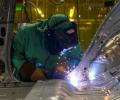
The headline seasonally adjusted IHS Markit India Manufacturing Purchasing Managers' Index (PMI) fell to a two-year low of 50.6 in October from 51.4 in September.

The Nikkei India Manufacturing Purchasing Managers Index (PMI), fell from 52.1 in February to a five-month low of 51.0 in March, indicating the slowest improvement in operating conditions recorded by the survey since last October.
